


HEADLINE MESSAGE
Nigeria has taken a decisive step to modernise its trade ecosystem with the launch of Phase 1
of the National Single Window (NSW). It coincides with the deal last week to upgrade Apapa
(Built 1913) and Tin Can (Built 1977) Ports. This is a coordinated reform designed to cut cargo
dwell time, reduce trade costs, and unlock economic growth.
THE PROBLEM: WHY THIS REFORM IS NECESSARY
• As of 2025, cargo dwell time in Nigerian ports averages 18–21 days
• This is approximately 475% higher than the global average of 4 days
• The result:
o High cost of doing business
o Delays for importers and exporters
o Reduced competitiveness of Nigerian goods
Critically:
• 73% of cargo dwell time is “transaction dwell time”
o Time spent on documentation
o Customs processing
o Regulatory approvals
This means the primary bottleneck is not physical infrastructure alone — it is process
inefficiency.
THE SOLUTION: A DUAL REFORM APPROACH
Nigeria’s response is deliberate and integrated:
1. NATIONAL SINGLE WINDOW (NSW) – FIXING TRANSACTION DELAYS
Phase 1 of the NSW directly targets the 73% transaction delay component by:
• Introducing one single digital platform for trade documentation
• Eliminating multiple agency visits and duplicative processes
• Enabling:
o Electronic submission of Licenses, Permits, Certificates (LPCOs)
o Digital manifest processing
o Centralized risk management across agencies
o Transparent electronic payments
Impact on dwell time:
• Faster document processing
• Reduced human interface and bottlenecks
• Predictable and transparent timelines
2. PORT MODERNISATION – FIXING PHYSICAL BOTTLENECKS
The upgrade of Apapa and Tin Can Ports, which handle 70% of Nigeria’s trade, addresses:
• Congestion at terminals
• Inefficient cargo handling
• Outdated infrastructure
Impact on dwell time:
• Faster cargo discharge and evacuation
• Reduced port congestion
• Improved turnaround time for vessels and trucks
WHY BOTH REFORMS MUST WORK TOGETHER
The NSW and port upgrades are mutually reinforcing:
Constraint Reform Outcome
Documentation delays (73%) National Single Window Faster approvals
Port congestion port upgrades Faster cargo movement
Without the NSW:
Port upgrades
Ports remain congested due to slow documentation.
Without port upgrades:
Digital efficiency is undermined by physical bottlenecks.
Together:
They deliver end-to-end efficiency across Nigeria’s trade value chain.
THE TARGET: FROM 21 DAYS TO UNDER 7 DAYS
Nigeria’s reform programme is designed to:
• Reduce cargo dwell time from 18–21 days to under 7 days by 2026
• Align Nigeria closer to global benchmarks
• Deliver:
o Faster clearance times
o Lower logistics costs
o Improved reliability for businesses
This represents a structural shift in trade efficiency, not incremental change.
ECONOMIC IMPACT: WHAT THIS MEANS FOR NIGERIA
For Importers & Manufacturers
• Faster access to critical inputs
• Reduced inventory and demurrage costs
• Improved production timelines
For Exporters
• Better access to global markets
• Increased competitiveness under AfCFTA
• Reduced delays at ports
For the Economy
• Lower cost of goods
• Increased trade volumes
• Higher government revenue through improved compliance
ADDRESSING CRITICISM: WHY THE PORT DEAL WORKS FOR NIGERIA
There have been concerns that the port upgrade partnership disproportionately benefits
external partners.
The facts are clear:
This is not a zero-sum arrangement.
Global partnerships deliver different but complementary benefits:
Nigeria Gains:
• Modern, efficient port infrastructure (improving productivity)
• Reduced congestion and logistics costs (boosting competitiveness)
• Job creation (construction, logistics, industry) (1,000s of jobs)
• Stronger trade competitiveness (greater opportunities for Nigerian businesses for
AfCFTA and global markets)
• Increased attractiveness for investment (these investments are catalytic)
Partners Gain:
• Participation in financing and delivery
• Industrial and commercial opportunities
The outcome:
Nigeria secures critical infrastructure upgrades without delay, enabling faster economic
transformation.
WHY THIS IS A STRONG DEAL FOR NIGERIA
• Targets the largest constraint to trade efficiency
• Focuses on ports handling the majority of national trade (~70%)
• Complements digital reforms already underway
• Unlocks value across:
o Trade
o Industry
o Logistics
o Employment
Most importantly:
It reduces the hidden “congestion tax” borne by Nigerian businesses.
A BROADER REFORM AGENDA
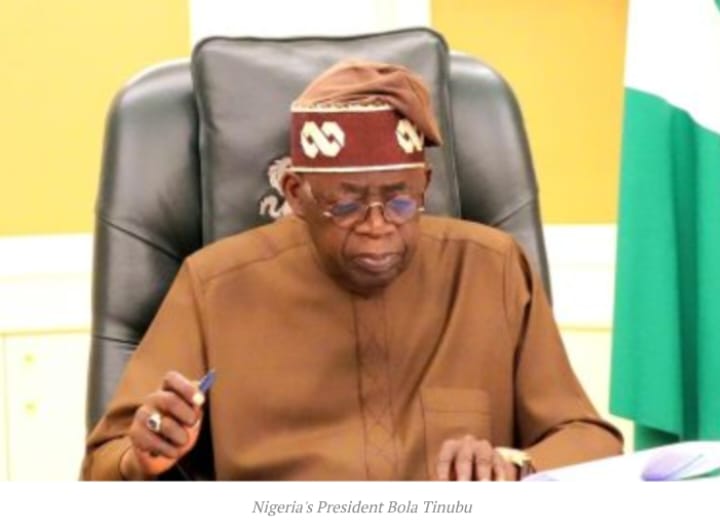
The NSW and port modernisation are part of a wider economic strategy under the leadership of
President Bola Ahmed Tinubu:
• Strengthening macroeconomic stability
• Improving ease of doing business
• Attracting and scaling investment
• Targeting 7% medium-term economic growth
These reforms demonstrate a coordinated, system-wide approach to economic
transformation.
KEY TAKEAWAYS FOR MEDIA
• Nigeria is tackling port inefficiency at its root — process and infrastructure
• 73% of delays are process-related — NSW directly solves this
• Port upgrades ensure physical movement matches digital efficiency
• Dwell time targeted to fall from 21 days to under 7 days in 2026
• Reform reduces costs, boosts trade, and improves competitiveness
• The partnership model delivers real, measurable benefits to Nigeria
CLOSING STATEMENT
The launch of the National Single Window and the upgrade of Apapa and Tin Can Ports
represent a turning point in Nigeria’s trade and economic trajectory.
This is not just reform.
It is execution at scale — designed to make Nigeria faster, more competitive, and fully
integrated into global trade.
Nigeria is not just opening a window.
Nigeria is opening for business.

Shaba Gbenga is a seasoned public relations guru and social media consultant. With over two decades of experience in journalism and media, he started his career with the Ondo State Radiovision Corporation (OSRC) before contributing to notable outlets such as Hope Newspapers, Encomium Magazine, and YES! International Magazine, among others.