


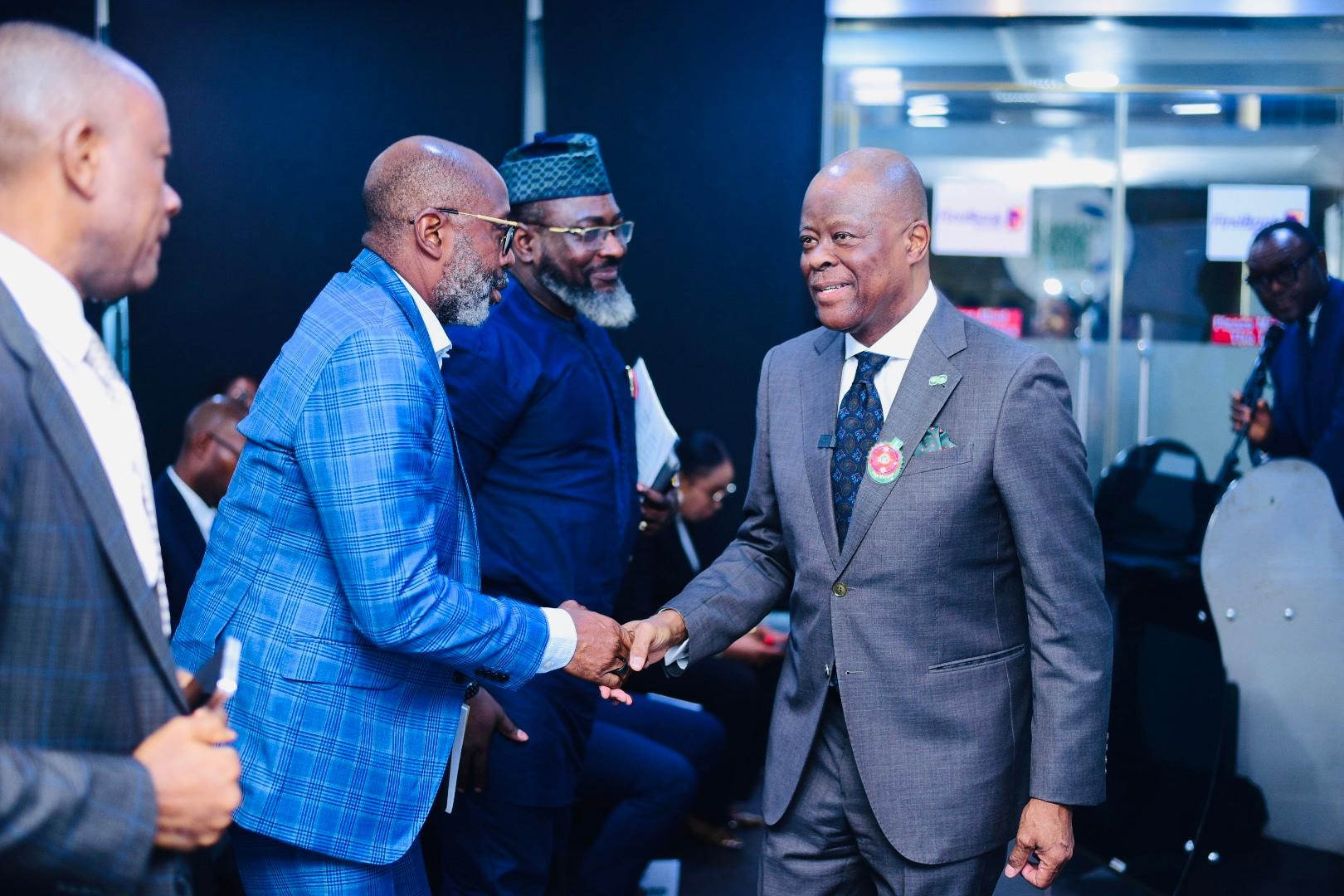
Today, the Honourable Minister of Finance and Coordinating Minister of the Economy, Mr. Wale Edun, delivered his first keynote address of 2026 at the launch of the Nigerian Economic Summit Group (NESG) 2026 Macroeconomic Outlook Report in Lagos.
His speech sets out clearly where Nigeria stands after two years of far-reaching reforms, what we achieved in 2025, and where we are headed in 2026 and beyond.
This moment matters. Nigeria has moved from stabilisation to the threshold of consolidation. The choices we make now will determine whether recent gains translate into sustained growth, productive jobs, poverty reduction, and improved living standards for Nigerians.
Edun sets out the most comprehensive articulation yet of the Federal Government’s economic direction after two years of far-reaching reforms. It sets out clearly:
Nigeria’s current macroeconomic position
Fiscal and economic performance in 2025
The fiscal and economic outlook for 2026
A transparent explanation of Nigeria’s debt dynamics
The transition from stabilisation to consolidation under the Renewed Hope Agenda
Why Editors should lead with this story
This is not a ceremonial speech. It is a policy-defining intervention that reshapes the economic narrative for 2026. Editors are encouraged to give this address prominent placement because it:
Marks Nigeria’s official transition from crisis stabilisation to economic consolidation
Provides hard data showing improvements in inflation, growth, FX stability, reserves, and investor confidence
Addresses public concern over Nigeria’s rising debt with clear, factual explanations
Lays out a credible 2026 growth and budget framework, including one of the largest capital spending plans in Nigeria’s history
Directly links macroeconomic reform to issues Nigerians feel daily: food prices, housing, electricity, roads, jobs, and social protection
This speech gives newsrooms a clean, authoritative reference point for Nigeria’s economic story in 2026.
Key Messages in Mr. Wale Edun’s presentation
1. Nigeria Has Reached a Turning Point
The Minister stated that after two years of difficult but necessary reforms, Nigeria has achieved meaningful macroeconomic stabilisation and is now entering a consolidation phase.
Inflation has moderated, foreign exchange volatility has eased, reserves have strengthened, and investor confidence has improved. The emphasis now is on sustaining reforms and converting stability into growth and shared prosperity.
“Nigeria cannot afford to pause or retreat. Success in consolidation will determine whether stability becomes sustained growth and productive jobs.”
2. Debt Dynamics: Transparency, Not Reckless Borrowing
A central element of the speech addressed misconceptions around Nigeria’s public debt.
The Honourable Minister of Finance and Coordinating Minister of the Economy clarified that the ₦152 trillion public debt figure is largely the result of transparency and exchange rate correction, not excessive new borrowing:
About ₦30 trillion reflects previously unrecognised Ways and Means advances now formally recorded
Nearly ₦49 trillion resulted from revaluation of foreign debt following FX reforms
Nigeria’s debt-to-GDP ratio declined to 36.1%, one of the lowest in Africa and well below the global average
3. Stronger Macroeconomic Indicators
Mr. Edun also presented clear evidence of economic improvement:
Inflation declined from 33.18% in 2024 to 14.45% by November 2025
GDP growth averaged 3.78% by Q3 2025, with 27 sectors expanding
External reserves rose to US$45.5 billion
Exchange rate stabilised below ₦1,500/$
Trade surplus reached ₦19.33 trillion in the first nine months of 2025
NGX market capitalisation increased by nearly 60% year-on-year
4. 2025 Fiscal Performance: Discipline Despite Constraints
Despite revenue pressures, especially from oil and gas, the government:
Maintained a fiscal deficit of about 3.4% of GDP
Improved non-oil revenue performance
Strengthened fiscal federalism by increasing allocations to states
Achieved 84% capital budget execution for 2024 projects during the transition period
5. 2026 Outlook: Growth, Capital Spending, Shared Prosperity
Looking ahead, the Mr. Edun projected:
4.68% GDP growth in 2026
Inflation averaging 16.5%
Exchange rate stabilisation around ₦1,400/$
The 2026 Budget of Consolidation, Renewed Resilience, and Shared Prosperity presented by President Tinubu includes:
₦58.18 trillion total expenditure
₦26 trillion in capital spending (44% of the budget)
A deficit of about 4% of GDP, explicitly linked to Nigeria’s development needs
6. Structural Reforms for 2026
The Minister also highlighted reforms designed to improve efficiency and protect the vulnerable:
Full digitalisation of government revenue collection
Treasury transparency and central billing reforms
Elimination of opaque deductions and leakages
Implementation of a pro-poor tax law that exempts essential food items and small businesses while broadening the tax base
Editorial Note
This keynote address provides clarity, context, and direction at a time when Nigerians, investors, and subnational governments are seeking certainty. It sets the tone for economic policy discourse in 2026 and beyond. Editors are encouraged to treat this as a lead economic and policy story, shaping public understanding of Nigeria’s transition from stabilisation to consolidation.

Shaba Gbenga is a seasoned public relations guru and social media consultant. With over two decades of experience in journalism and media, he started his career with the Ondo State Radiovision Corporation (OSRC) before contributing to notable outlets such as Hope Newspapers, Encomium Magazine, and YES! International Magazine, among others.