


Foamy urine can sometimes be a sign of kidney issues, but it’s not always the case. Here’s a detailed breakdown:
1. Normal Causes of Foamy Urine:
– Dehydration: When you’re dehydrated, your urine becomes more concentrated, which can cause it to appear foamy.
– Urinating with force: Urinating with force can cause air to mix with urine, creating foam.
– Protein-rich diet: Eating a lot of protein can sometimes lead to foamy urine.
2. Possible Kidney-related Causes:
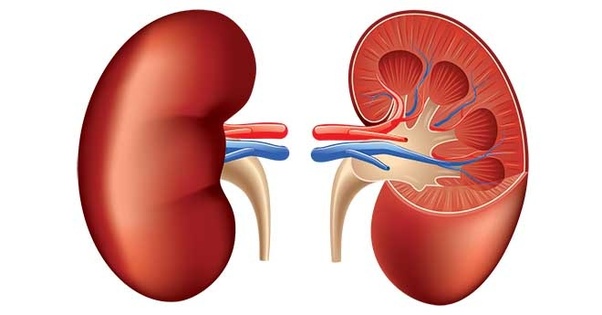
– Proteinuria: This is a condition where an excessive amount of protein is excreted in the urine. It can be a sign of kidney damage, as the kidneys’ filtering units (glomeruli) may be allowing too much protein to pass into the urine.
– Kidney disease: Conditions like nephrotic syndrome or glomerulonephritis can cause proteinuria and foamy urine due to damage to the kidneys’ filtering system.
– Kidney infection: Infections can sometimes lead to foamy urine, though it’s often accompanied by other symptoms like pain during urination, fever, or flank pain.
3. When to Seek Medical Advice:
– Persistent foamy urine: If you consistently notice foamy urine over a period of time, especially if it’s accompanied by other symptoms like swelling in the legs, fatigue, or changes in urination patterns, it’s essential to see a healthcare provider.
– Changes in urine color or odor: If your urine changes color (like becoming dark or bloody) or develops a strong odor, it could indicate underlying issues that need medical attention.
4. Diagnostic Tests:
– Urinalysis: This test examines the urine for various substances, including protein, blood cells, and other indicators of kidney function.
– Blood tests: Blood tests like serum creatinine and blood urea nitrogen (BUN) can provide information about kidney function.
Imaging studies: In some cases, imaging studies like ultrasound or CT scans may be done to visualize the kidneys and look for abnormalities.
5. Treatment:
Treatment depends on the underlying cause. If kidney disease or another medical condition is identified, treatment may involve medications, dietary changes, lifestyle modifications, or other interventions to manage the condition and protect kidney function.
In summary, while foamy urine can sometimes indicate kidney issues, it’s not always a cause for alarm. However, if you’re concerned or if foamy urine is persistent or accompanied by other symptoms, it’s important to consult a healthcare professional for evaluation and appropriate management.
Source: Quora

Shaba Gbenga is a seasoned public relations guru and social media consultant. With over two decades of experience in journalism and media, he started his career with the Ondo State Radiovision Corporation (OSRC) before contributing to notable outlets such as Hope Newspapers, Encomium Magazine, and YES! International Magazine, among others.