


Main Scripture: Matthew 6:14 (NKJV): “For if you forgive men their trespasses, your heavenly Father will also forgive you.”
Supporting Scriptures: Luke 11:4, Colossians 3:13, Romans 3: 23-24, Ephesians 4:32, Proverbs 4:23, Matthew 6:14-15, Mark 11:25, Matthew 18:21-22 (NKJV)
INTRODUCTION
Imagine you’re standing by a serene lake, the water reflecting the colors of the sky like a mirror. As you gaze into its depths, you notice something remarkable, a small bird trapped in a tangle of fishing wire, struggling to break free.
In that moment, you face a choice: do you walk away and leave the bird to its fate, or do you intervene, risking your own comfort to set it free? This scenario echoes the dilemma of forgiveness in the Christian life. It’s not just a passive option but an active choice, a decision to extend grace even when it’s difficult.
Forgiveness, simply put, is letting go of the hurt and resentment caused by someone’s actions. It’s choosing to pardon an offender, just as God pardons us through the sacrifice of Jesus Christ. As Christians, forgiveness isn’t optional—it’s foundational to our faith. Just as we have received God’s forgiveness, we are called to forgive others. It’s not only about freeing ourselves from the burden of bitterness but also about reflecting God’s love and mercy to those around us.
In this brief exhortation, I’ll share three key insights that I believe will enrich our understanding and practice of this essential aspect of our faith.
Absolving, Not Pretending
Bible Verse: Colossians 3:13 (NKJV) – “Bearing with one another, and forgiving one another, if anyone has a complaint against another; even as Christ forgave you, so you also must do.”
Forgiveness entails absolving the offender of the wrong committed, rather than pretending the offense never occurred. It’s crucial for every believer to grasp this distinction, as it leads to genuine reconciliation and healing. When we forgive, we release the burden of resentment and vengeance, reflecting the grace and mercy we have received from God.
Remembering Without Resentment
Bible Verse: Ephesians 4:32 (NKJV) – “And be kind to one another, tenderhearted, forgiving one another, even as God in Christ forgave you.”
Forgiveness does not erase the memory of the offense; rather, it frees us from the bondage of anger and bitterness associated with it. It’s essential for every believer to understand that true forgiveness is accompanied by emotional healing, allowing us to remember without being consumed by negative feelings towards the offender.
Setting Healthy Boundaries
Bible Verse: Proverbs 4:23 (NKJV) – “Keep your heart with all diligence, For out of it spring the issues of life.”
Forgiveness does not equate to allowing others to continually take advantage of us. While forgiveness is an act of grace, trust is something that must be earned. It’s important for every believer to recognize the distinction between forgiveness and trust, and to set healthy boundaries to protect themselves from further harm.
CONCLUSION
The practice of forgiveness is not just duty, but a transformative journey that reflects the heart of God. Embracing true forgiveness embodies Christ’s love, fostering reconciliation. It’s not optional for Christians, it’s a commandment. Just as we have been forgiven by God, we are called to extend that same forgiveness to others and set no limits on how much mercy would show – Matthew 18,21-22. In doing so, we demonstrate obedience to God’s Word and participate in His redemptive work in the world.
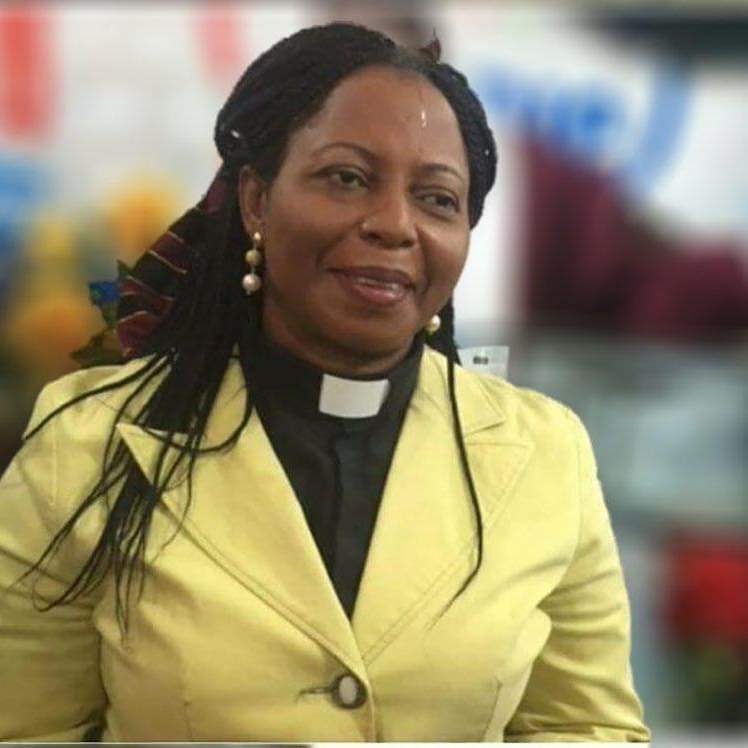
Bishop (Prof) Julia Fortune
www.juliafortune.org

Shaba Gbenga is a seasoned public relations guru and social media consultant. With over two decades of experience in journalism and media, he started his career with the Ondo State Radiovision Corporation (OSRC) before contributing to notable outlets such as Hope Newspapers, Encomium Magazine, and YES! International Magazine, among others.